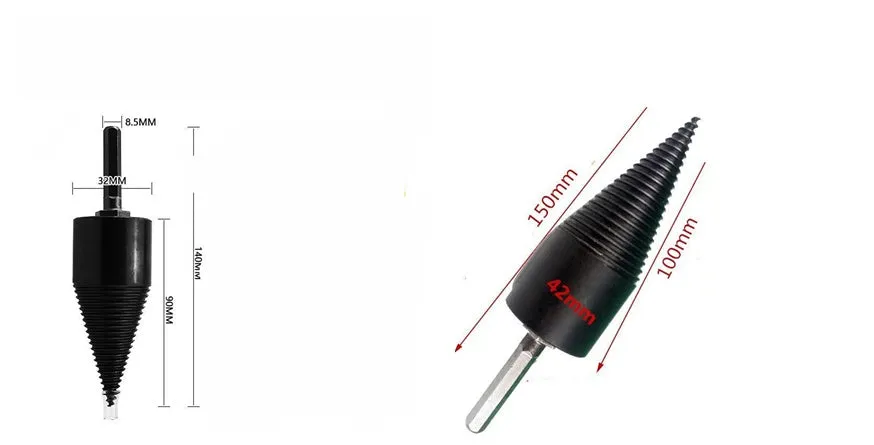
Firewood-breaking drill bit for electric hand drills converts wood splitting tasks using a 32mm or 42mm hexagonal wood chopper bit compatible with hand electric drills and water drill rigs for household firewood splitting


Firewood-breaking drill bit for electric hand drills converts wood splitting tasks using a 32mm or 42mm hexagonal wood chopper bit compatible with hand electric drills and water drill rigs for household firewood splitting
Firewood-breaking drill bit for electric drills: a 32mm or 42mm hexagonal chopper for household log splitting

This specialised tool attachment addresses the practical challenge of splitting smaller logs for household firewood without investing in bulky, dedicated machinery. The firewood-breaking drill bit is engineered to convert the rotational force of a standard electric hand drill or a water drill rig into a chopping action. By fitting the hexagonal shank into your drill's chuck, you gain a compact alternative to manual axes or mauls, suitable for processing occasional firewood supplies, camping fuel, or kindling. The core value lies in its function-specific design and dual size availability, offering a mechanical advantage for a traditionally labour-intensive task. It is imported and presented as a straightforward solution for those with compatible power tools already to hand.
Features and Construction
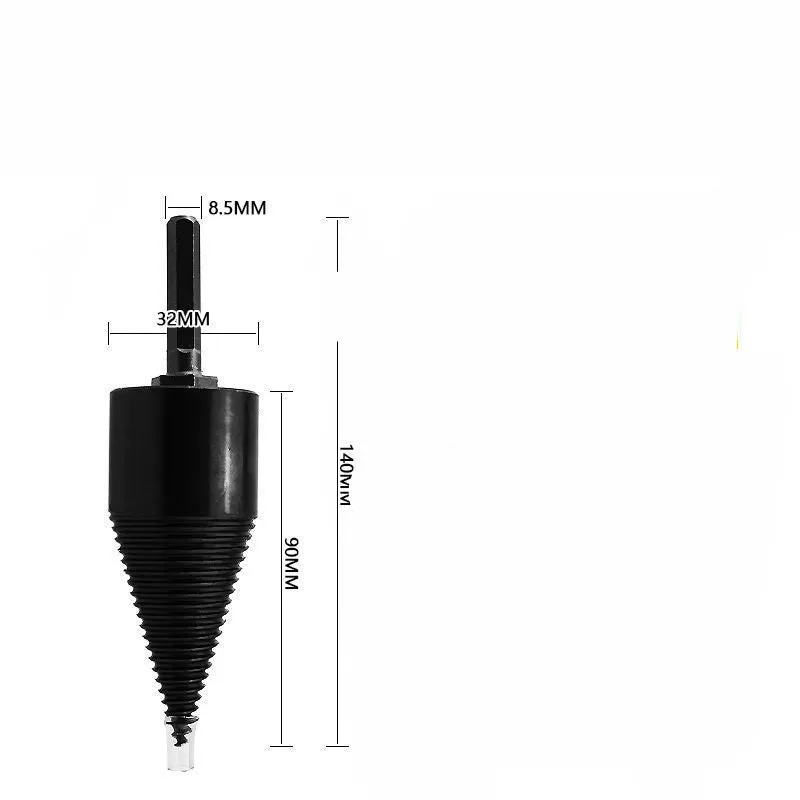
The product's design is centred on compatibility and a single, clear function. It is not a multi-tool attachment but a purpose-built bit for splitting wood. The available purchase options—individual bits in two sizes or a set containing both—provide flexibility based on the user's typical log diameter. The construction focuses on the working end's dimensions and the hexagonal connection, which is critical for torque transfer and secure fitting.
Material and Build
The source text specifies the product type and functional design but does not detail the specific metal alloy or protective treatments used in the bit's construction. The build is defined by its hexagonal shank, which is a standard drive type for securing bits in drill chucks to prevent slippage under high torque. The chopping bit itself is described as a 'wood chopper bit' and a 'firewood-breaking bit,' indicating a hardened cutting edge designed to penetrate and split wood fibres. Without invented specifications, the product's build is best understood through its stated compatibility with electric hand drills, electric hammers, and water drill rigs, suggesting it is built to withstand the associated forces.
Size and Practical Fit
The two concrete size options are the primary differentiators: a 32mm hexagonal wood chopper bit and a 42mm hexagonal wood chopper bit. The 32mm bit is noted as being for hand electric drills, while the 42mm variant shares the same application description. This likely relates to the typical chuck capacity and power output of standard hand drills versus potentially more robust water drill rigs, though both are stated as compatible. The size refers to the diameter of the splitting cone or working end, which determines the maximum log size it can effectively engage. Choosing the appropriate size depends on the average diameter of the logs you need to split.
Uses and Placement

This tool has a narrowly defined use case, which is its main advantage. It is intended for converting rotational drill power into a linear splitting force. This makes it suitable for scenarios where portability, storage space, or cost outweigh the need for a high-volume, dedicated log splitter. Its application is strictly for processing wood into firewood.
Event or Professional Use
While the product is marketed for 'household' use, its practical application could extend to small-scale professional or event settings where occasional, on-site wood splitting is required. For example, a market stall vendor needing kindling, a campground maintaining fire pits, or a small workshop generating wood waste for a burner might find it useful. Its value in these contexts is its portability and the fact it leverages a tool (a drill) that may already be part of a mobile toolkit. It is not intended for continuous, high-volume commercial forestry or landscaping work.
Everyday Home Use
For the homeowner with a fireplace, wood-burning stove, or fire pit, this bit offers a mechanised solution for preparing winter fuel or garden bonfire wood. It is particularly relevant for those who source their own wood in manageable sizes or need to process fallen branches. The ability to use an existing electric drill—a common household and DIY tool—eliminates the need for storing and maintaining a separate splitting axe or maul. It provides a middle ground between full manual effort and purchasing a stand-alone hydraulic or kinetic log splitter.
Benefits and Buying Value
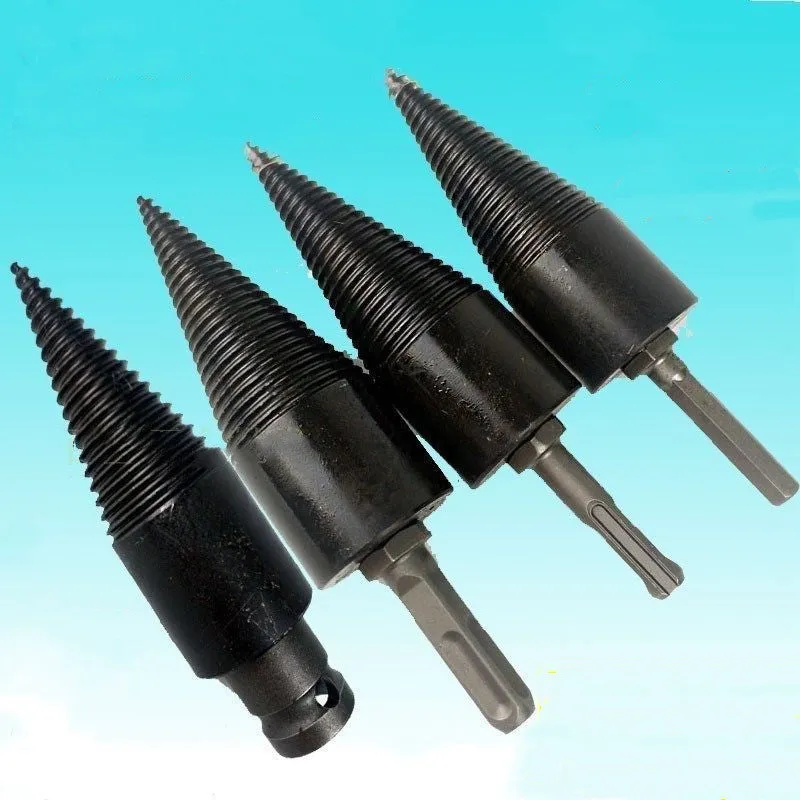
The product's value stems from its function-specific design that repurposes a common power tool. It offers a mechanical advantage for a specific, occasionally needed task without requiring a significant new investment in single-purpose equipment. The choice between the 32mm bit, the 42mm bit, or a set allows users to match the tool to their needs precisely.
Reuse and Low Maintenance
The primary reuse benefit is that the drill bit itself is a durable attachment intended for repeated use. Unlike consumable blades, it is designed to be a permanent addition to your toolkit. Maintenance is minimal and linked to its material; basic care would involve cleaning wood debris from the bit and checking the cutting edges for damage. Storing it separately from other drill bits prevents dulling. Its low-maintenance appeal is tied to its simplicity—there are no moving parts, hydraulics, or engines to service beyond the drill it attaches to.
Why Choose This Product
Choose this firewood-breaking drill bit if you regularly use an electric hand drill or water drill rig and have a recurring need to split small to medium-sized logs for firewood. Its main advantage over a standard axe is the reduced physical effort required, as the drill provides the driving force. Compared to buying a dedicated log splitter, it is a far more compact and cost-effective solution for low to moderate volumes. The decision between the two sizes or the set should be based on the range of log diameters you typically encounter; the set offers maximum versatility for a slightly higher initial outlay.